

Maybe you read every post this month. Maybe you read three, tried one, and felt bad about the rest. Either way, you’re still here, and that counts. Today we take stock of one month on the climb: what you tried, what stuck, and the single thing worth carrying into next month.
Welcome to Sunday Summit, our slower Sunday read. No new homework today. Just a look back down the trail, then a look up at the path ahead.
Why looking back helps you keep going
When money is tight, it’s easy to only see what’s left: the balance that’s still there, the bill that’s still due. Looking back shows you something else: the steps you already took.
That isn’t just a feel-good idea. The CFPB’s guide to building an emergency fund suggests you regularly monitor your progress and celebrate your successes, because watching your progress can offer encouragement to keep going. We talked about this in our post on counting your small wins. Today is a whole month of them.
What did one month on the climb cover?
Here’s the trail so far, grouped so you can see it at a glance. You don’t need to have done all of it. Most people won’t, and that’s fine.
Seeing your money clearly
- Put every debt on one page, with balances, rates and due dates.
- Found your money leaks in one evening.
- Tracked down forgotten subscriptions and canceled a few.
- Pulled your free credit reports and checked them for errors.
Lowering what you pay
- Used a script to call and ask for a lower interest rate.
- Learned what to say on a hardship call when a payment won’t fit.
- Asked for an itemized medical bill and questions to ask before paying.
Building a cushion
- Started a starter emergency fund, even a tiny one.
- Set up an automatic transfer, starting small.
- Opened sinking funds, including one for the holidays.
- Sold a few things you don’t use.
Taking care of the climber
- Wrote your money story and rewrote one belief.
- Practiced kind ways to say no to spending.
- Stopped comparing your path with anyone else’s.
Your one-month look-back checklist
Copy this onto paper or into your phone. Give each step one of three marks.
Kept it: I did this and it’s still working.
Tried it: I started, but it slipped.
Not yet: I haven’t gotten to this.
Then answer three questions:
1. Which step made the biggest difference, even a small one?
2. Which step felt hardest, and why?
3. If I could only do one thing next month, what would it be?
There are no wrong answers. “Not yet” isn’t a failure. It’s just the part of the trail you haven’t walked.
A worked example
Here’s an example with made-up, round numbers. Imagine someone we’ll call our climber goes through the checklist.
They kept two things: an automatic $10 transfer every payday, and their one-page debt list. They tried a subscription cleanup and canceled one $15 app, but two more are still running. They haven’t pulled their credit reports yet.
Their biggest difference? The $10 transfers. After two paydays, there’s $20 in savings, and it’s the first money they haven’t touched in a long time. The hardest part was the phone call to ask for a lower rate, because they felt nervous.
So their one focus for next month is simple: keep the $10 transfers going and make that one phone call. Not ten things. Two, and one of them is already on autopilot.
How to pick next month’s focus
Look at your three answers. A good focus is usually one of these:
- The step that worked best, so you can do a little more of it.
- The step that slipped, if it matters to you and just needs a restart.
- The “not yet” step that worries you most, like a bill you’ve been avoiding.
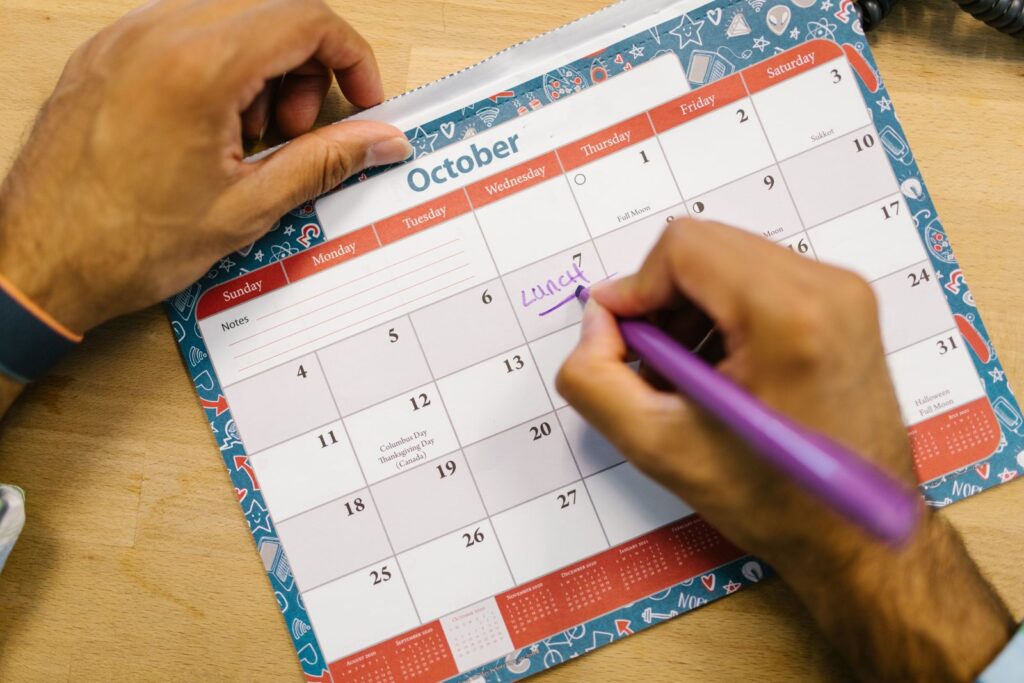
Pick one. Write it at the top of next month’s calendar. If you want a tune-up each week, the 15-minute weekly money reset is a good way to check in on it.
If the math doesn’t work
Some of you looked back this month and saw that, even with every step, the numbers still don’t add up. That’s not a sign you did it wrong. Sometimes income just doesn’t cover the bills.
If that’s you, the order still matters: keep a roof, utilities, food and a way to get to work first. The FTC’s guide on how to get out of debt says that if you’re behind, you could call your creditors before a debt collector gets involved and try to work out a payment plan you can manage. It also suggests looking for credit counseling at places like credit unions, universities and Cooperative Extension offices, and warns to steer clear of anyone who charges you before doing anything. Our Debt Payoff Hub gathers the posts that can help most when things are hard.
Your Sunday summit
You’ve had one month of small steps. Some kept, some slipped, some still waiting. That’s what a real climb looks like. Rest today, pick one focus, and start the month ahead from where you actually are.
If you’d like, share the one step that made the biggest difference for you in the Freedom Climbers forum. Your small win might be the nudge someone else needs.
Next climb: If your look-back showed your debts are still scattered, start where we started. Put Every Debt on One Page
Tomorrow on the climb: Monday Kickoff. Scammers love people who are stressed about money. All week, we’ll spot one red flag a day, from fake debt relief offers to “pay right now” demands, so you can protect what you’re building.
Featured photo: Los Muertos Crew on Pexels (none listed).



Leave a Reply